


-300x300.jpg)


-250x250.jpg "ASTARIJA MEGATRON - Professional massage chair")


-250x250.jpg "XSTO TR250T - Stair climber for wheelchair")
-250x250.jpg "XSTO M4 - Power mobility chair / Mobility robot")
-250x250.jpg "XSTO TR140C - Stair climbing wheelchair")







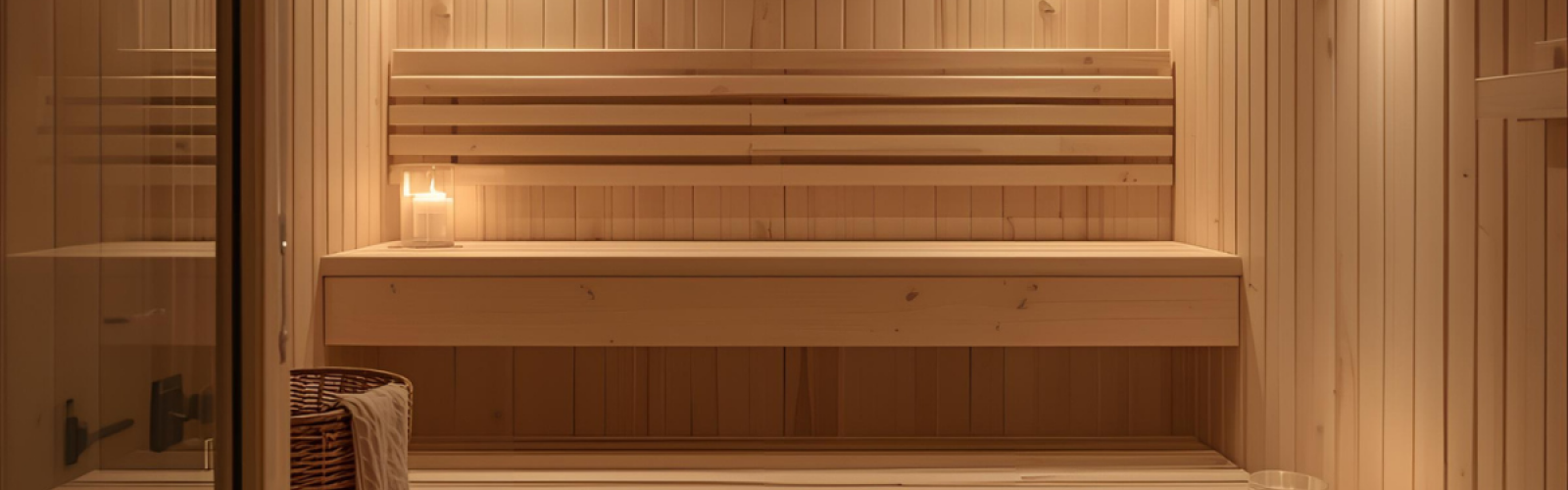
Saunas have been a popular way to relax, detox, and boost health for centuries. The best known are the Finnish sauna with dry heat and the infrared sauna, which warms the body with IR rays. Because people often wonder which sauna is right for them, we’ve prepared answers to the most frequently asked questions. Below you’ll learn more about benefits, proper use, and tips for choosing the right sauna.
General information about saunas
What is a sauna and how does it work?
A sauna is a heated room where high temperature and controlled humidity stimulate sweating. This increases circulation, relaxes muscles, and helps recovery. The effect is achieved with dry heat (Finnish sauna), moist heat (Turkish/steam), or infrared rays (IR sauna).
What types of saunas are there?
The most common are the Finnish sauna (80–100 °C, dry heat), infrared sauna (40–65 °C, IR rays), combo sauna, Turkish steam bath, bio sauna, and outdoor saunas. Each offers a different experience.
What is the history of the sauna in Finland?
The Finnish sauna has a millennia-long tradition. Originally earth huts and smoke saunas, today they are wooden rooms with a stove and stones. Sauna bathing is part of Finnish culture and social life and a symbol of cleanliness and health.
How to use a sauna properly?
Shower and dry off before entering. Start with 8–12 minutes, then cool down with a shower or air cooling. Do 2–3 heating and cooling cycles. After the sauna, drink enough water and rest.
Finnish sauna
What is a Finnish sauna?
A Finnish sauna is a dry sauna with a high temperature (80–100 °C) and low humidity (10–15 %). You can raise humidity by pouring water on the stones. It promotes intense sweating, relaxes muscles, and improves well-being.
What are the health benefits of a Finnish sauna?
It helps reduce stress, relaxes muscles, supports post-workout recovery, and improves circulation. Moderation and hydration are key.
Recommended temperature and humidity in a Finnish sauna?
Recommended: 80–100 °C and 10–15 % humidity. Higher temperature means shorter sessions. Humidity increases when you pour water over the stones.
How long should a Finnish sauna visit last?
Recommended 8–12 minutes per cycle, then cool down. Do 2–3 cycles. Listen to your body and avoid staying too long.
How much does a home Finnish sauna cost?
Price depends on size, stove, and equipment. In our store you’ll find Finnish saunas in various price ranges.
Infrared sauna
What is an infrared sauna and how does it work?
An IR sauna uses infrared heaters that warm the body at lower temperatures (40–65 °C). The heat penetrates tissue and stimulates sweating and relaxation.
What are the benefits of an infrared sauna?
It can help relax muscles, improve well-being, and support recovery. It’s suitable for those who tolerate high temperatures less well.
What’s the difference between infrared and Finnish sauna?
The Finnish sauna operates at 80–100 °C with dry heat, while the IR sauna works at 40–60 °C with IR radiation. IR is gentler and quicker to use; Finnish provides traditionally intense heat.
Does an infrared sauna help with weight loss?
Sauna bathing increases energy expenditure due to thermoregulation, but it’s not a substitute for diet and exercise. IR supports well-being and relaxation.
How much does a home infrared sauna cost?
Price depends on size, heater type, and features. See more in our online store.
Health & well-being
What are the sauna’s benefits for heart and blood pressure?
Heat dilates blood vessels and can lower blood pressure and improve circulation. With heart issues, consult your doctor.
Is a sauna suitable for children?
Children overheat faster, so temperatures should be lower and sessions shorter. Always under adult supervision.
Is a sauna visit recommended after exercise?
Post-workout sauna relaxes muscles and enhances the feeling of recovery. Cool down first and drink enough fluids.
How many calories does a sauna burn?
Calorie burn rises temporarily due to thermoregulation, but a sauna is not a substitute for exercise. The main effect is relaxation.
Does a sauna help with stress and relaxation?
Yes, heat and a calm environment promote relaxation. Regular sauna use can improve sleep and overall well-being.
Practical use & purchase
How often should you use a sauna?
Beginners: 1–2 sessions per week. Experienced users can go more often if they feel well.
How long should a single sauna visit last?
Usually 2–3 cycles of 8–12 minutes, total 30–60 minutes. Adjust time to your experience and sauna type.
What are the pros and cons of a home sauna?
Pros: comfort, privacy, long-term savings. Cons: initial investment, space, and maintenance.
Which sauna is the best choice for an apartment?
For small spaces, an infrared sauna or a compact Finnish cabin is practical. Consider space, electrics, and usage habits.
How to choose the right sauna for your home?
Define space, number of users, and purpose. Choose sauna type, check stove/heaters, insulation, and extras.
A sauna is not just a place to relax—it’s a long-term investment in health and well-being.
If you’re considering a Finnish or infrared sauna for your home, explore our range of quality models and accessories. Visit our online store.


-300x300.jpg "JJSPA JIO120A - Infrared sauna")
-435x300h.jpg "Apartment with a Jacuzzi as an Advantage for Guests and Property Owners")
-435x300h.png "Sauna for Two as a Perfect Wellness Experience for Couples")
-435x300h.png "The Most Common Mistakes When Buying a Hot Tub and How to Avoid Them")


-435x300h.png "Why use the sauna in summer?")

Leave a Comment